MIDDLE RHINE WINE REGION – We Live for Wine
at the heart of Germany's wine regions
Wines from the Middle Rhine are an expression of the landscape, craftsmanship, and history. Steep slopes, mineral-rich soils, and distinctive grape varieties define this region steeped in tradition.
In the heart of the German wine world lies a region that is truly one of a kind: the Middle Rhine, Nahe, Rheinhessen, and Rheingau converge here within a very small area.
Within just 80 kilometers, the Mosel and Palatinate expand this unique network.
Hardly any other region offers such a concentration of vineyards, scenic beauty, and tradition. Diverse soils, microclimates, and the unique styles of the winemakers make every visit a new discovery.
Middle Rhine Wine Region
The Middle Rhine Valley, a UNESCO World Heritage Site, is one of Germany's smallest wine-growing regions. Steep slate slopes and the unique climate shape viticulture here and give Riesling, in particular, its characteristic mineral style.
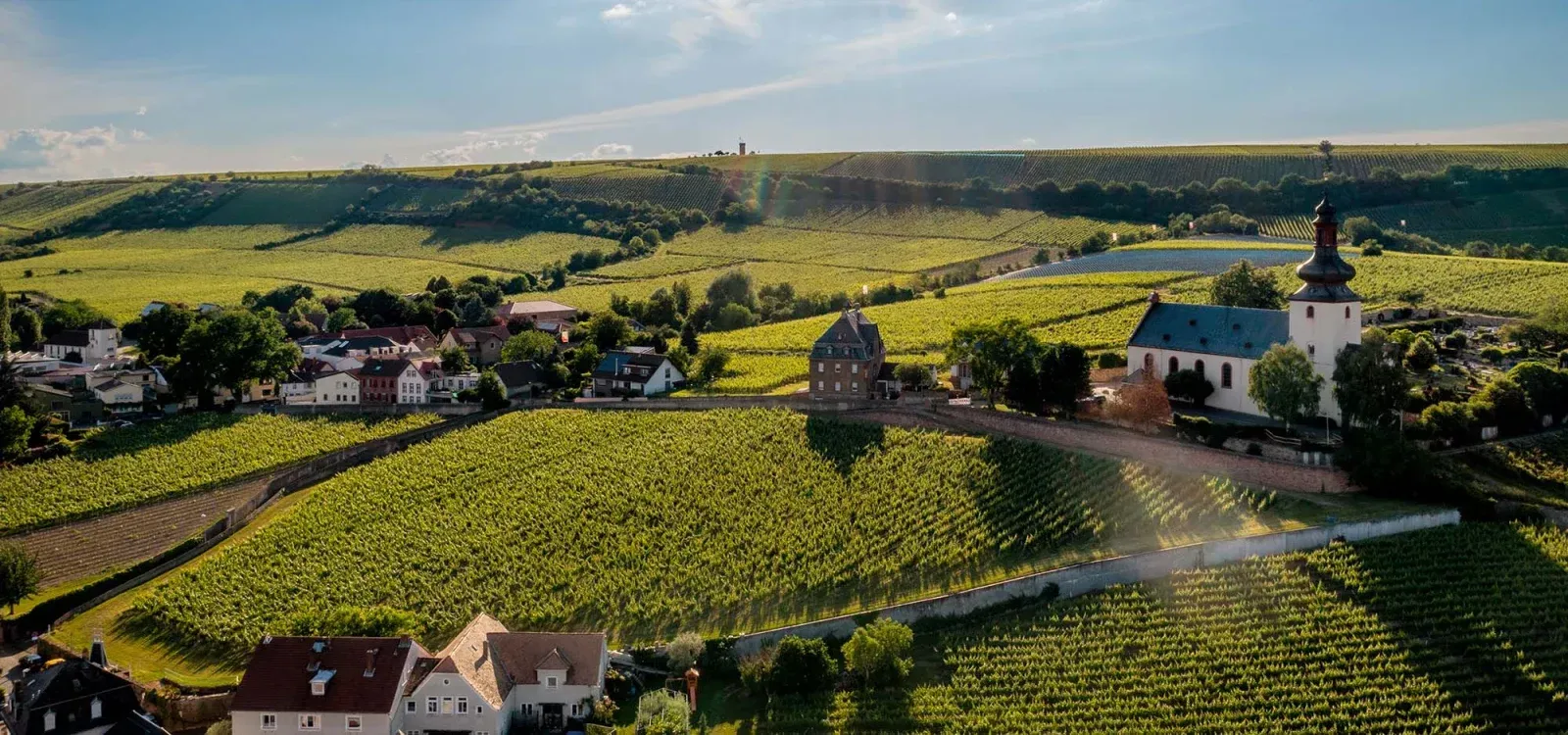
The region stretches out wide and open—with some 27,500 hectares of vineyards, it is Germany’s largest wine-growing region. Gentle hills, vineyards stretching to the horizon, and plenty of sunshine define the landscape. Visitors here experience a unique sense of vastness and tranquility.
Amid the vineyards, local winemakers shape the character of the region. They open their doors, share their stories, and invite visitors to discover the region with all their senses.
This character is also evident in the wines: Riesling, Silvaner, Scheurebe, and the Burgundies embody diversity and terroir. Each wine tells a story of the soil, the climate, and the craftsmanship of the people who make it.
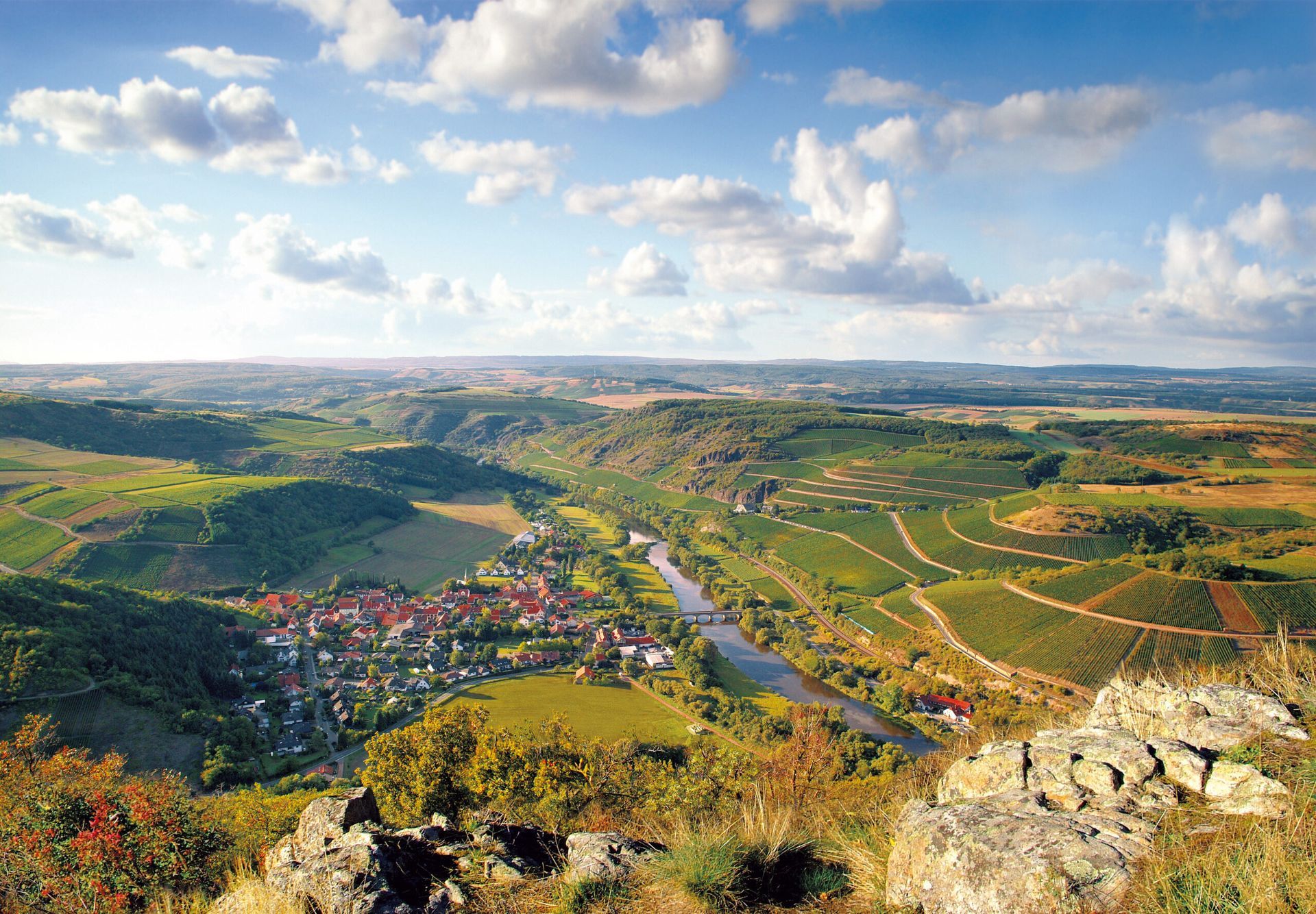
The Nahe region reveals itself as a small world of its own—shaped by contrasts that come together to form a harmonious whole. Volcanic rock and red clay, Riesling and Pinot Noir, quiet classical music and loud sounds—here, friction and harmony exist side by side.
Nestled within the Soonwald-Nahe Nature Park, the landscape ranges from the gentle, almost Mediterranean-like vineyards of the Nahe Valley to the rougher heights of the Hunsrück.
The wines reflect exactly that: multifaceted, distinctive, and deeply rooted in their origins. Together with the cultivated landscape, they create a place that captivates connoisseurs and never ceases to surprise those who come to discover it.
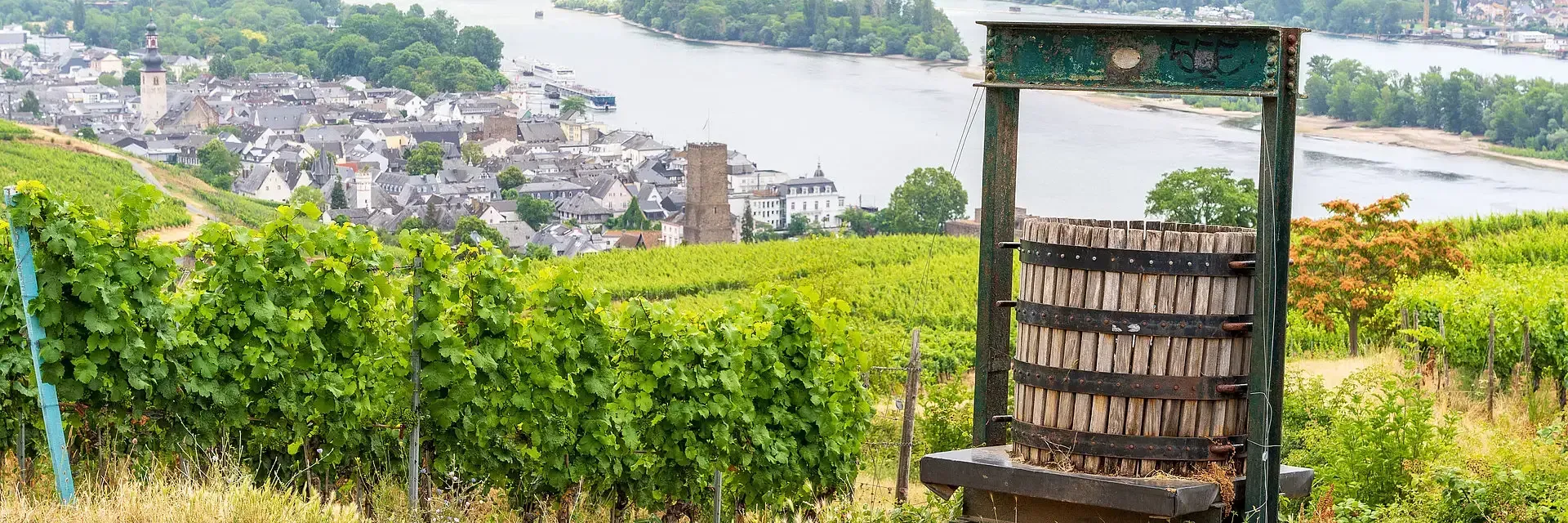
Welcome to the Rheingau—a small region with a rich wine culture. Riesling and Pinot Noir are the primary varieties grown across approximately 3,200 hectares, shaped by a mild climate and mineral-rich soils. The sun-drenched slopes offer ideal conditions for wines with distinctive character.
The best way to experience the Rheingau is firsthand: on hikes through the vineyards, during visits to historic wineries, or in the cozy wine taverns and wine shops. Here, wine isn’t just made—it’s a way of life. Designations such as “Erstes Gewächs” and “Grosses Gewächs®” reflect the high standards of the winemakers.
Our Favorite Winemakers
We present a selection of wineries from the Middle Rhine, Nahe, Rheingau, Rheinhessen, Palatinate, and Mosel regions.
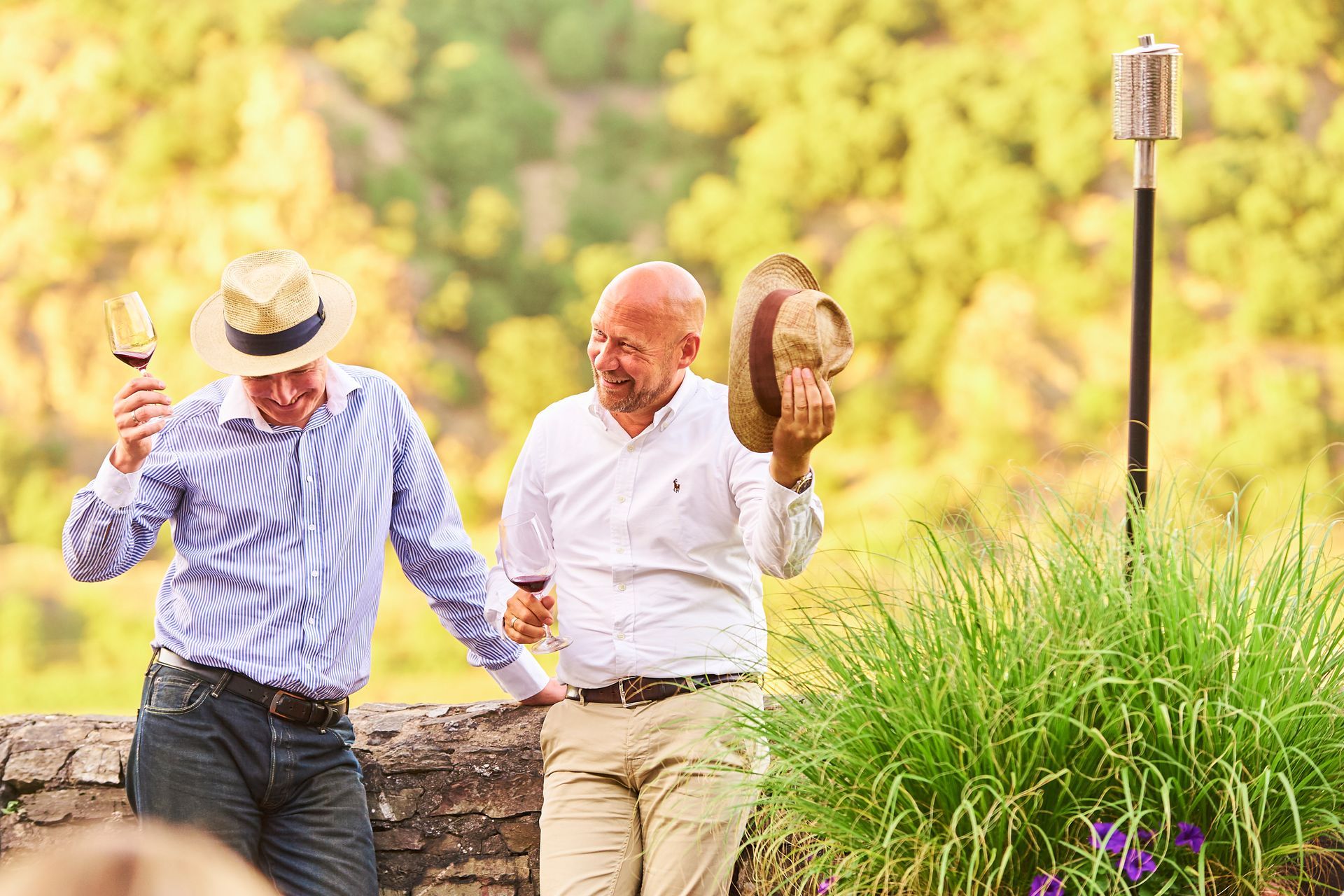
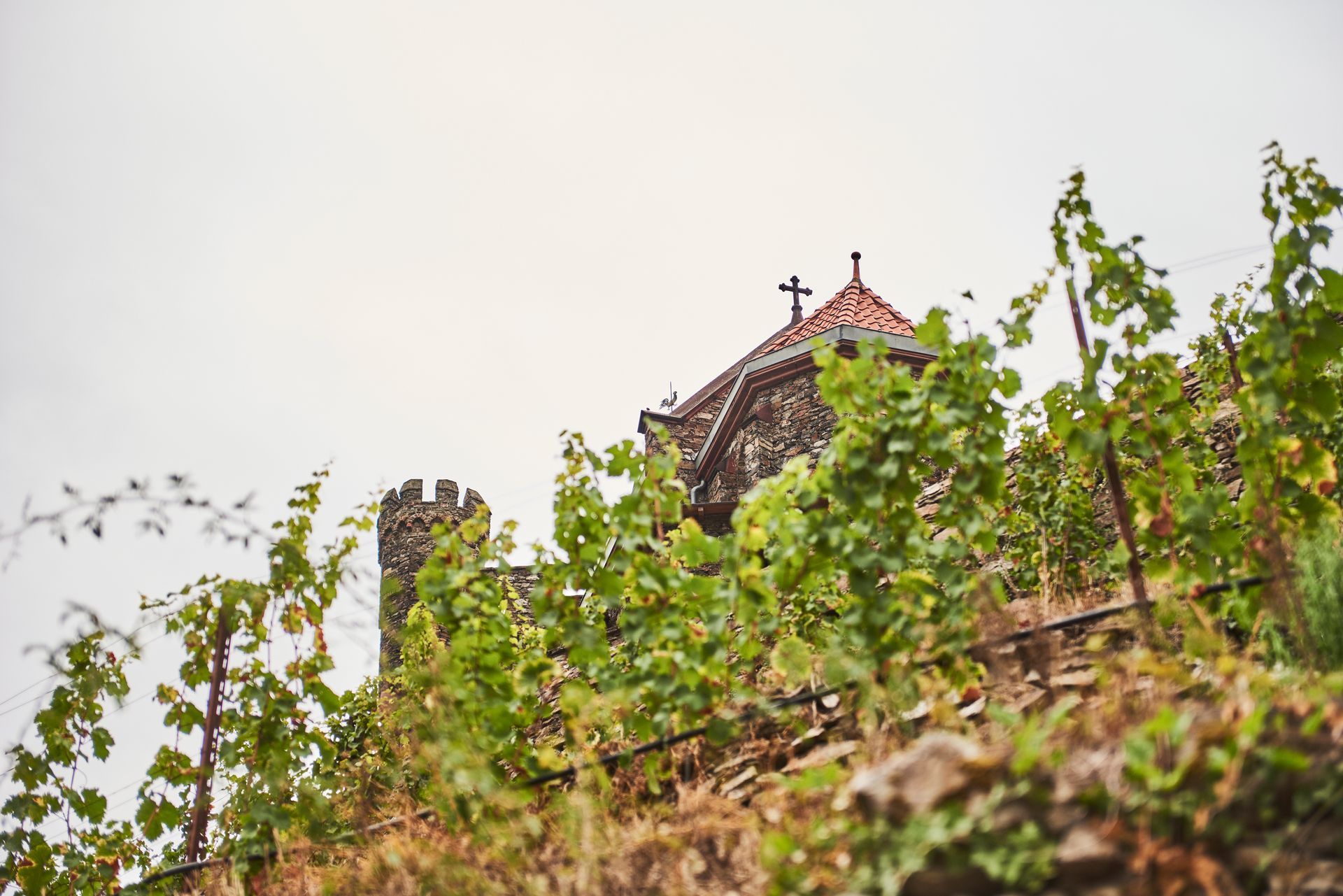
What unites them is not only their heritage, but also their proximity to Reichenstein Castle. Many of these winemakers have been with us for years—through personal connections, long-standing friendships, and shared values.
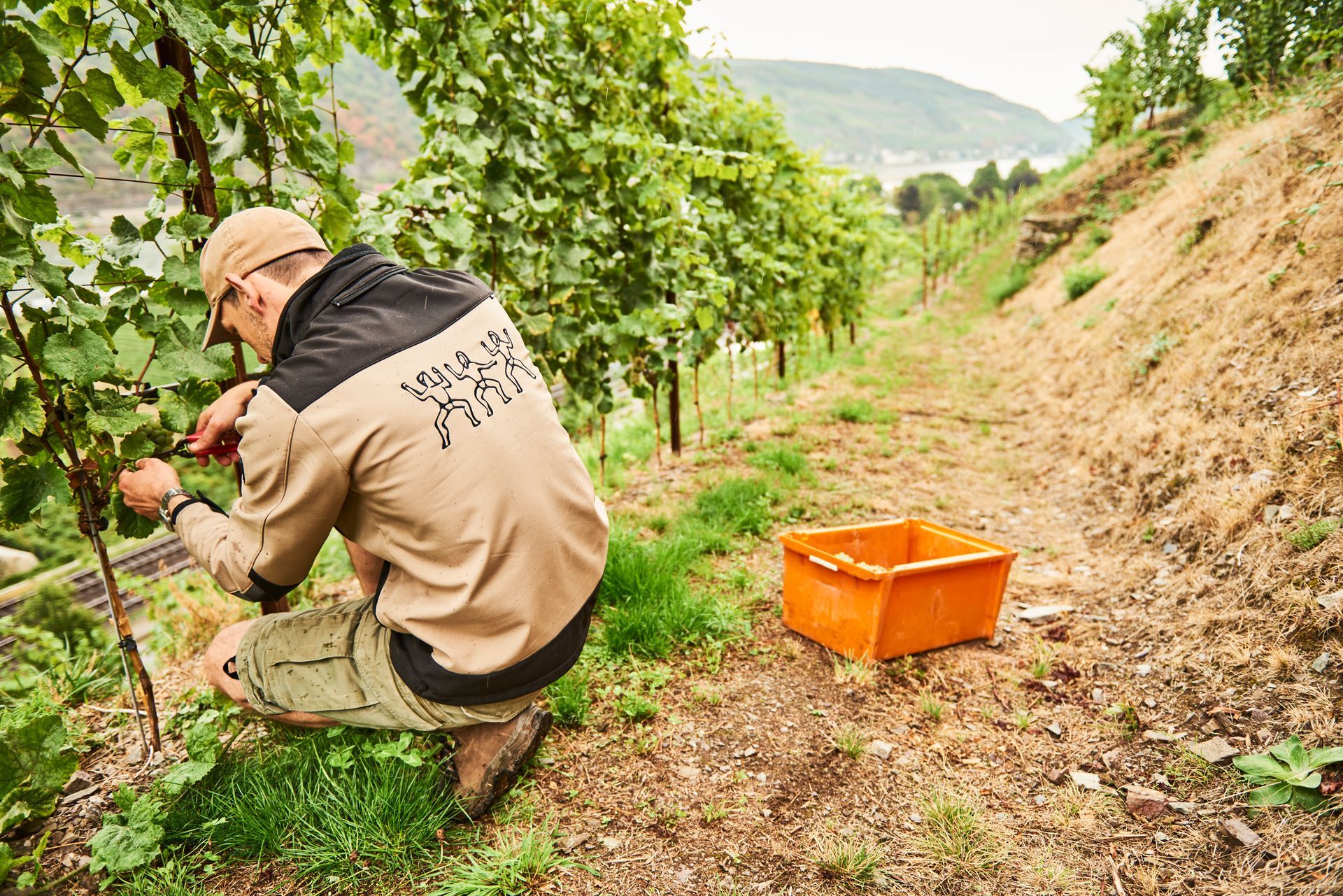
They stand for a style of winemaking that takes tradition seriously while also looking to the future. Their approach is characterized by sustainable practices, respect for the terroir, and a commitment to quality.
This creates a network around the castle that brings the diversity of the German wine world to life.
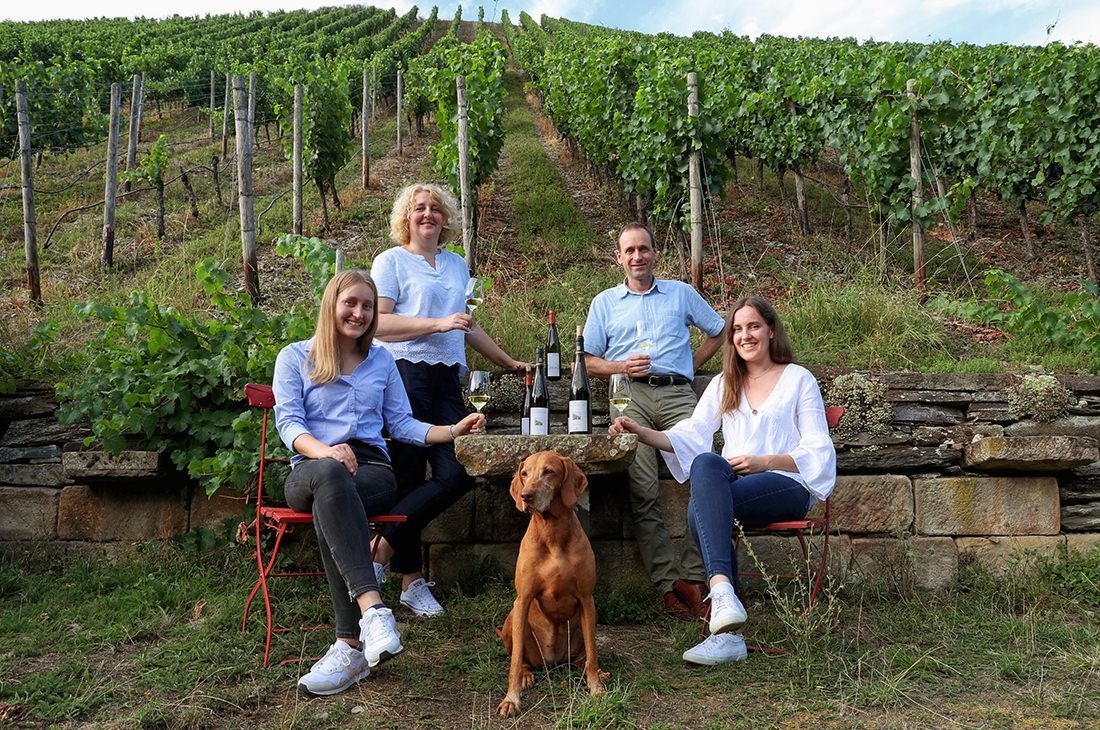
The winery is a family business now in its third generation, run by Jochen Ratzenberger. The primary focus has traditionally been on the pursuit of the highest quality and the principle of natural viticulture. Working in harmony with nature shapes the course of the year. In particular, yield reduction is a conscious decision made to ensure high quality. Terroir and low yields per hectare thus lay the foundation for expressive wines full of character.
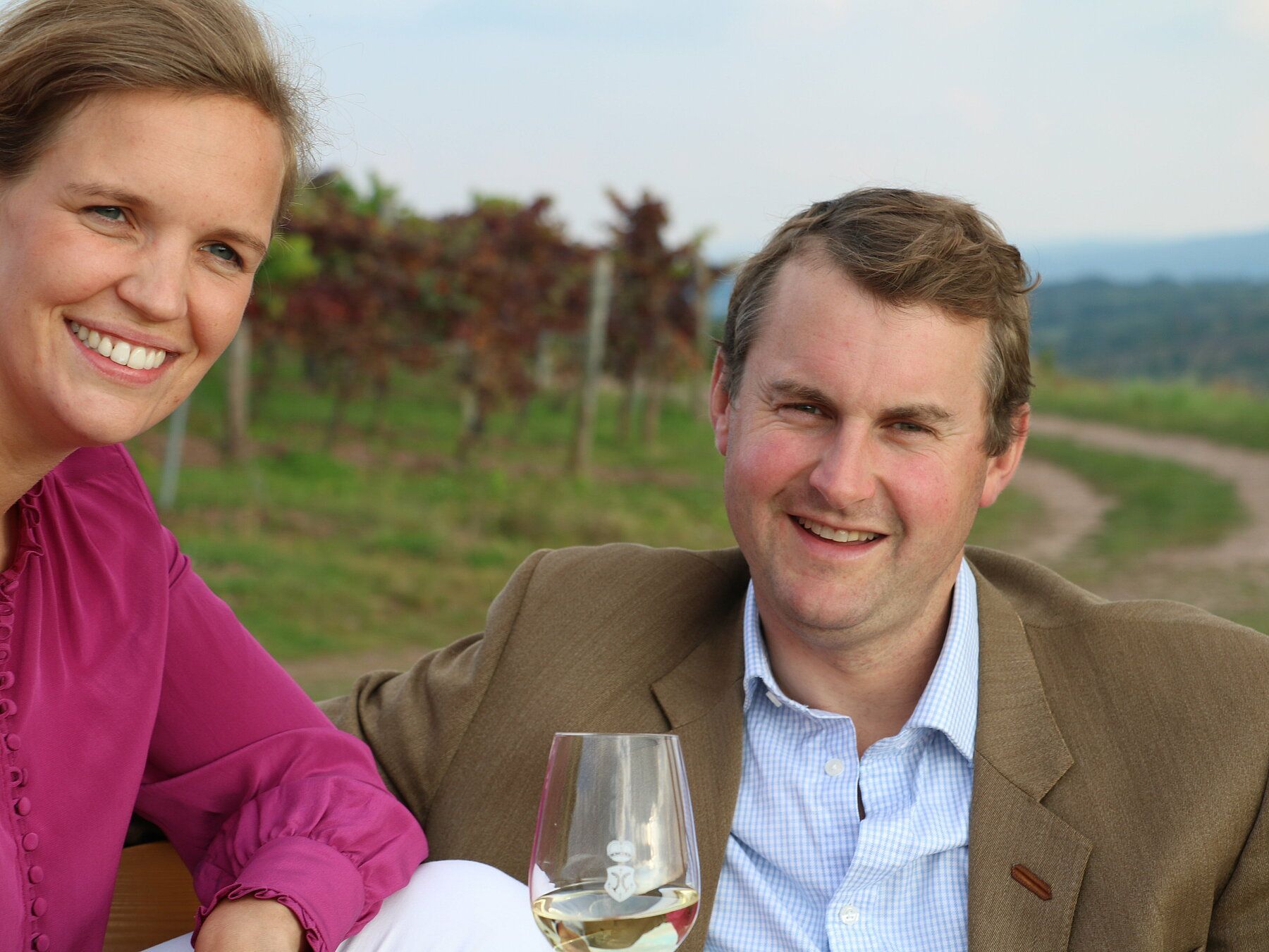
Felix Prinz zu Salm-Salm runs the family winery together with his wife, Victoria Prinzessin zu Salm-Salm, now in the 32nd generation, and knows that he is part of an unimaginably long tradition. His family is founded on tradition and shaped by it, but every generation brings changes. And Felix enjoys setting his own priorities. This is how the wonderful Prinz Salm wines are created—wines you absolutely must try.
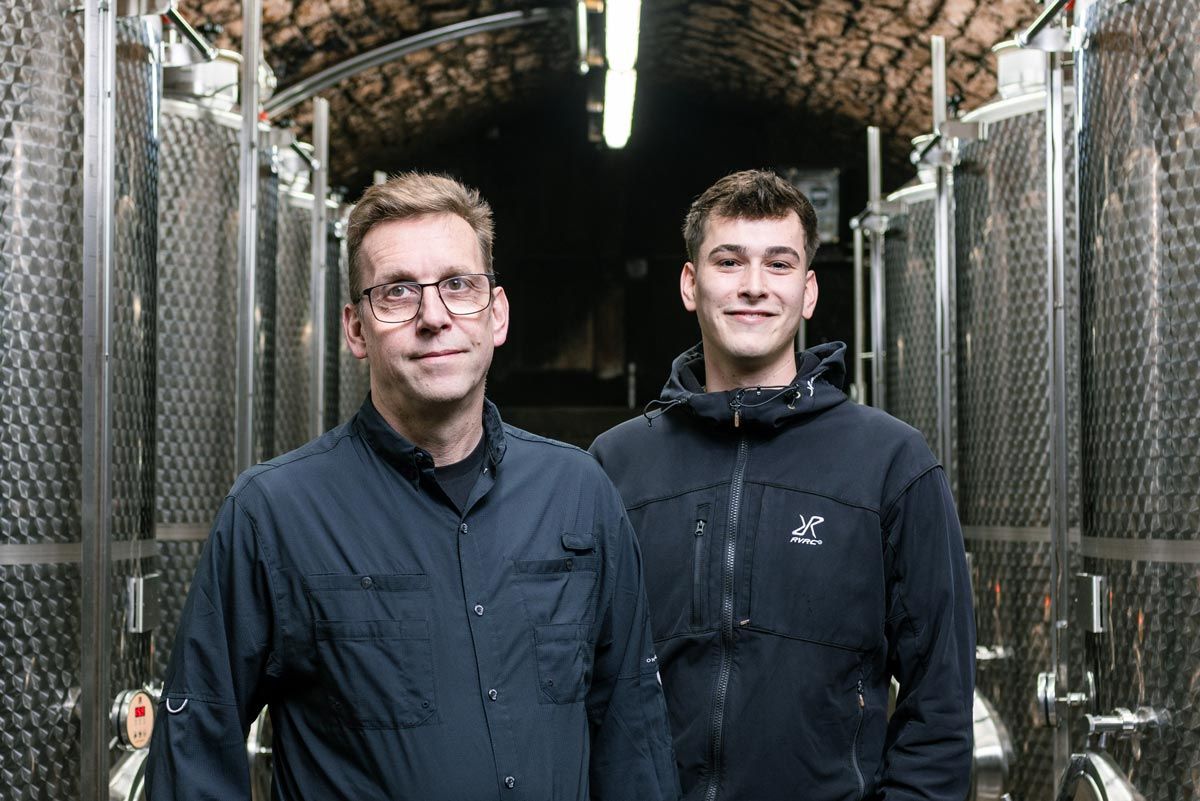
Experience the vineyard: distinctive and completely dry. Deep roots, old vines, environmentally friendly viticulture, and careful harvesting of the grapes. In the cellar: gentle aging and bottling in particularly sustainable packaging. The screw cap protects the wine perfectly and allows it to age. Essentially “traditional.” Yet the TESCH Winery in Langenlonsheim is considered one of the most innovative wineries in Germany.
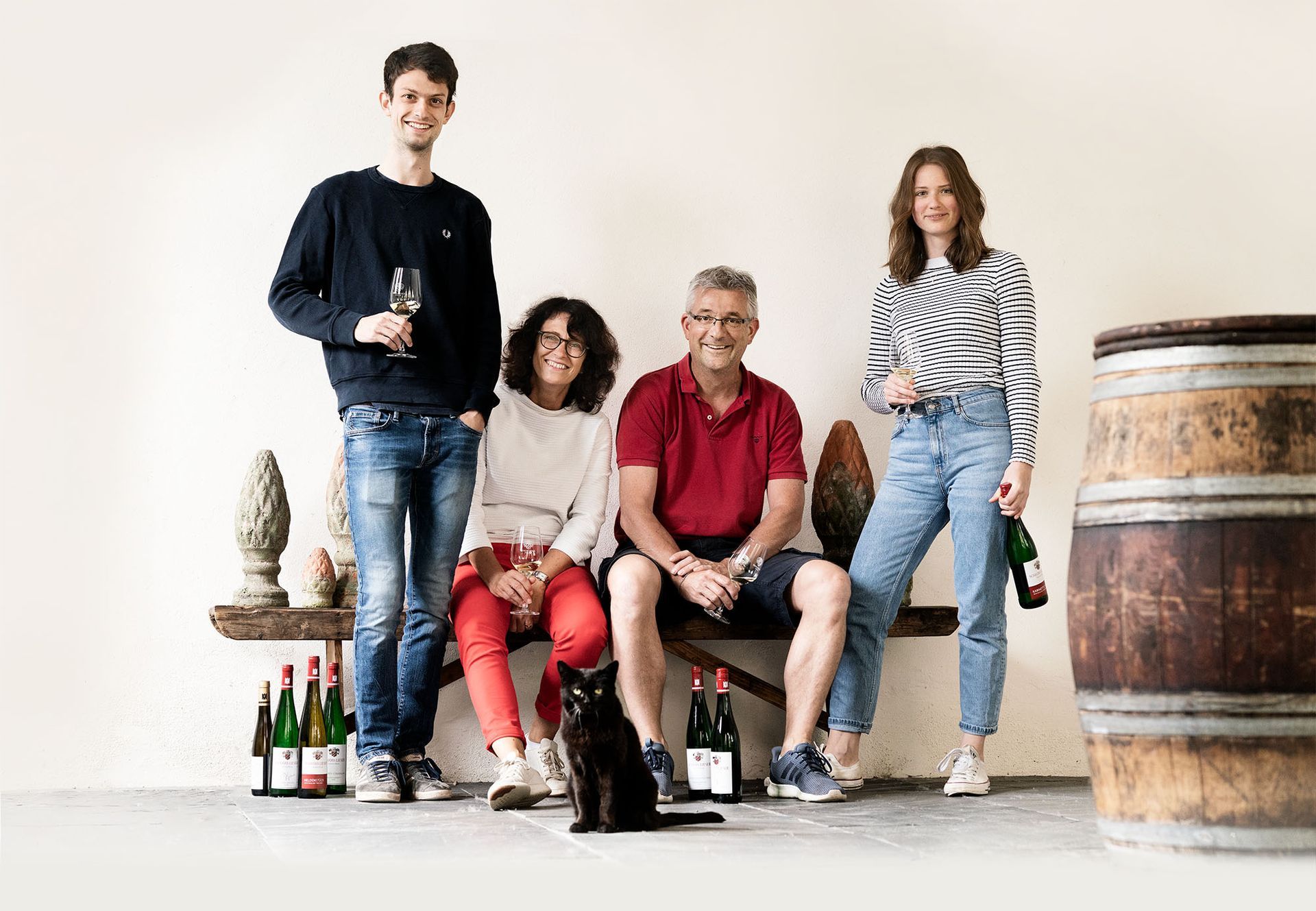
Lieser Castle—an imposing structure built in 1875 of gray slate and once the seat of Baron von Schorlemer—is the landmark of the wine-growing village of Lieser, situated in the magnificent river landscape of the Middle Moselle. In 1904, the Schloss Lieser winery was built in the immediate vicinity of the castle. The wines were among the best in the region until the 1970s, when repeated changes in ownership led to a decline in quality. In 1997, Thomas Haag and his wife Ute acquired the winery, which today is once again among the best producers on the Mosel.
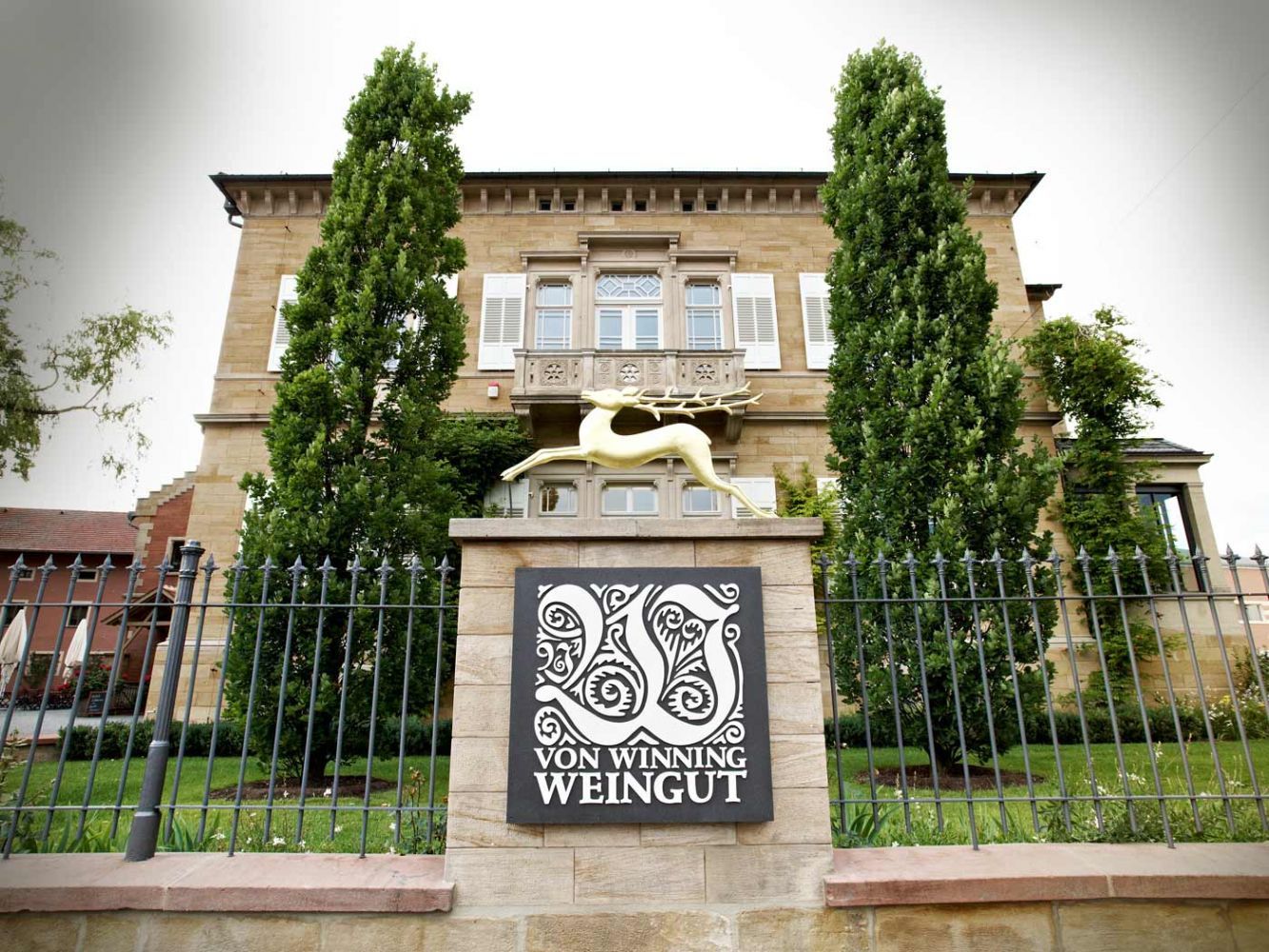
Since the winery was founded in 1849, top-quality wines have been aging in its historic vaulted cellars. In 1907, Leopold von Winning, son-in-law of the renowned Dr. Deinhard, made it his mission to do justice to these exceptional vineyards by crafting great wines. Today, the young and ambitious team led by Stephan Attmann consciously upholds the traditions of this visionary. Intensive and natural work in the vineyards makes it possible to harvest aromatic and healthy grapes. This preserves the valuable, aroma-defining phenols that give the wines their complex character.
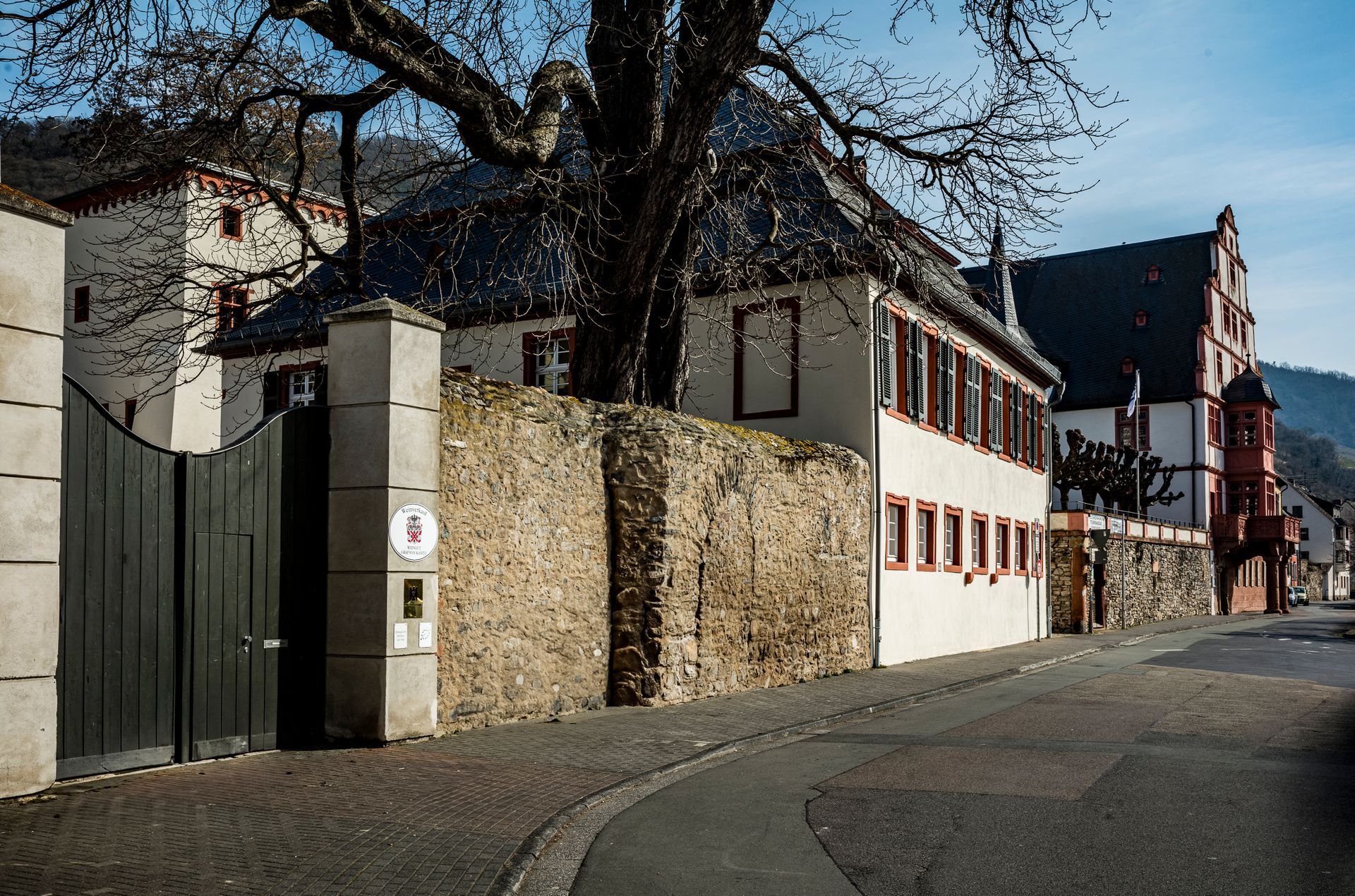
It was founded by the von Staffel family, after which the estate belonged to the von Stein family. In 1926, following the succession of the prominent reformer Friedrich Karl Reichsfreiherr von und zum Stein, it passed to the Counts of Kanitz. The development of healthy, resilient vines, as well as the promotion of biodiversity in the flora and fauna of the vineyard ecosystem, is now the top priority in the vineyard’s work. The commitment to quality is evident in the vineyard’s membership in the Federal Association of Organic Viticulture (Ecovin) and the Association of German Prädikat Wine Estates (VDP).